

From January 1, 2024, to December 31, 2025, we’re on a mission to help youth workers create fun and engaging educational activities that mix game-based learning with STEM subjects, all while tackling gender stereotypes. A part of this project is developing a Compass that lets youth workers design their own activities to fit their unique situations. To achieve this purpose, we conducted two surveys to gather useful data.
Survey Highlights
First, we heard from 91 young participants, aged 14 to 18, mostly from Italy, Spain, Belgium, and France. A central question was whether their educators had ever used games or gamified content in their lessons. The answers were evenly split: 34 said “yes,” 32 said “no,” and 25 couldn’t remember. When we asked for examples, they mentioned tools like Kahoot!, board games, and interactive computer games covering a variety of educational topics.
We also wanted to know how educators could make lessons more inclusive. Here’s what the youngsters suggested:
- Time for reflection: give students space to share their doubts and concerns.
- Accessibility and diversity: make sure content is inclusive and represents different perspectives.
- Cooperative learning: encourage group work and labs to promote teamwork.
- Variety of activities: offer different types of activities to suit various learning styles.
- Cultural insights: expose students to different cultures and gender perspectives.
- Expert engagement: bring in experts to share their knowledge and experiences.
These suggestions show a real desire for a more engaging and inclusive environment.
Insights from Youth Workers
The second survey included 73 youth workers, mostly women (67%), with an average age of 30 to 39. They work mainly in Spain, Italy, and France, focusing on young people aged 11 to 20.
We found out there are several barriers keeping games and gamified learning from being used in education, like:
- Lack of knowledge: many youth workers feel unsure about how to use gamified approaches.
- Curricular relevance: some think gamified learning doesn’t fit with educational goals.
- Seriousness of games: There’s a belief that games aren’t serious enough for a professional setting.
- Fear of change: concerns about the challenges of trying new activities.
- Disinterest in innovation: a reluctance to change traditional teaching methods.
Effectiveness doubts: skepticism about whether games really help with learning
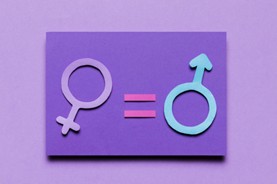
Tackling gender stereotypes
We also asked about experiences with gender discrimination and stereotypes in education. Respondents highlighted issues like:
- Gender binarism: dividing groups based on gender.
- Machismo: stereotypes affecting interactions.
- Discrimination: negative expectations based on gender, along with biases against students with disabilities or from different economic backgrounds.
Conclusion
The feedback from these surveys shows a strong interest from both young people and youth workers in using game-based learning to create a more inclusive and engaging education experience. However, it’s essential to address the barriers and misconceptions around gamified learning to make it work effectively. We need educators to tackle and break down gender stereotypes in their educational interventions.
By giving educators the right tools and knowledge, we can build a more inclusive and effective educational landscape that benefits all young people.

